Location: Tamarindo, Costa Rica
Catch: 2 red snapper
Boat: Kinny



CR Fishing Charters
CR Fishing Charters
Location: Tamarindo, Costa Rica
Catch: 2 red snapper
Boat: Kinny
For years, anglers from the United States and Canada have flocked to Costa Rica for world-class fishing, almost always landing on the Pacific side. That’s starting to change. On the Caribbean coast, the province of Limon is preparing for a major transformation with the development of the Limon Port Cruise Terminal and Marina, a project designed to bring modern marine infrastructure to a region already rich in fish, culture, and natural beauty.
For sportfishing enthusiasts, this isn’t just another marina project. It’s the missing piece that allows Costa Rica fishing charters on the Caribbean side to finally match the quality of the fishery with the level of access North American travelers expect.
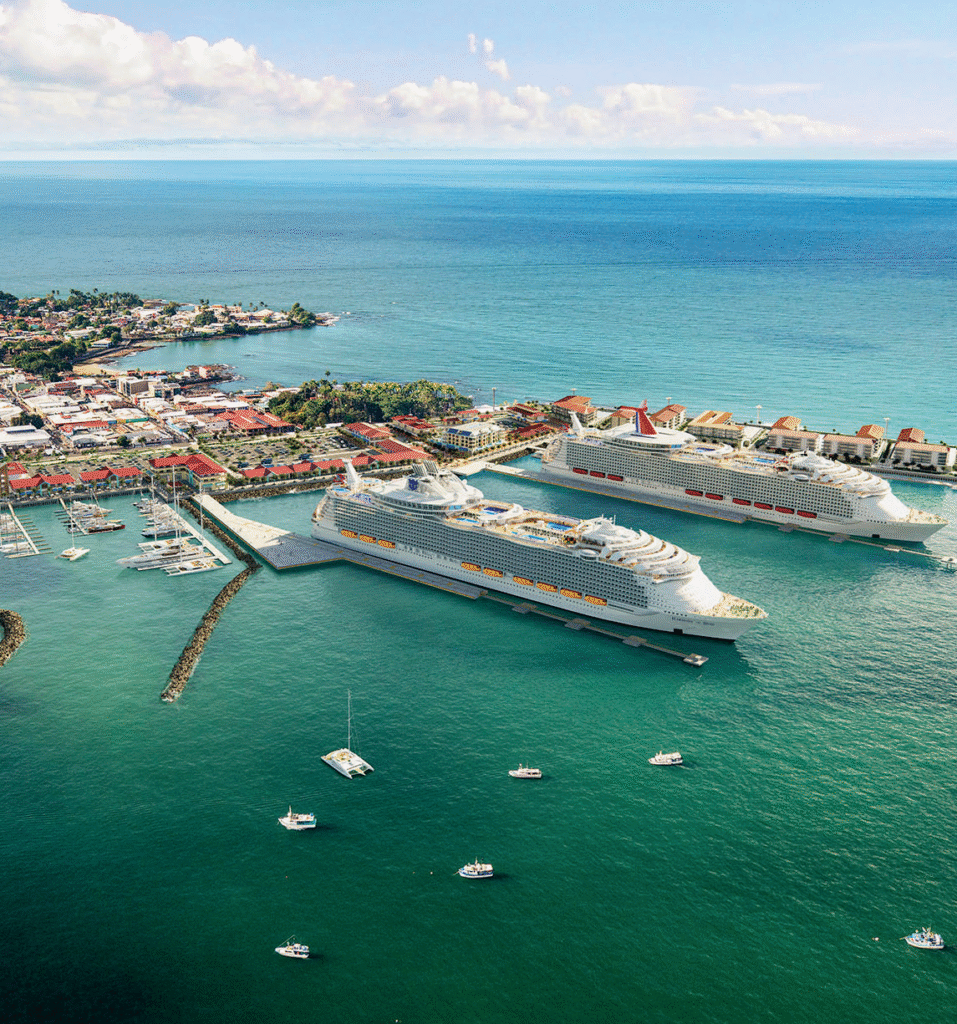
Limon sits on Costa Rica’s eastern shoreline, facing the Caribbean Sea. The area is known for its rainforests, river systems, and protected coastal ecosystems, including Cahuita National Park, Gandoca–Manzanillo Wildlife Refuge, and the Tortuguero canals. These natural features aren’t just scenic—they are directly tied to why fishing here is so productive.
Rivers like the Reventazón and Parismina push nutrients into the coastal waters, creating conditions that attract both inshore predators and offshore pelagic species. Fishing has long been an economic activity in the region, especially for tarpon and snook, but also for offshore species found just a few miles from shore, including marlin, sailfish, and wahoo.
What Limon has lacked until now is a modern marina capable of supporting visiting anglers, sportfishing boats, and international travelers. The new marina directly addresses that gap.

According to the prospectus, the marina will be part of a larger 27-hectare waterfront development that includes a cruise terminal, commercial areas, restaurants, hotels, and public spaces integrated with the city of Limon.
From a fishing perspective, the key features include:
This is significant because, until now, Costa Rica’s marina market has been almost entirely concentrated on the Pacific coast. Limon represents the first real opportunity for Caribbean-side growth, positioning the area as a new hub for Limon fishing charters and visiting anglers.

One of the most appealing aspects of the new marina is its location within established Caribbean navigation routes. Limon is positioned between marinas and ports in Panama, Colombia, and the southern Caribbean, with potential connections to destinations like Bocas del Toro, Cartagena, San Andrés, and the Cayman Islands.
For North American anglers, this means Limon is no longer an isolated destination—it becomes part of a broader Caribbean sportfishing circuit. This kind of connectivity increases charter availability, raises service standards, and attracts experienced captains familiar with pelagic migrations across the region.
While the Caribbean side of Costa Rica is famous for tarpon, offshore fishing plays a major role in the appeal of Limon sportfishing. The prospectus highlights the presence of pelagic species such as marlin, sailfish (vela), and wahoo, all commonly found in the waters off Limon.
Depending on the season, anglers can also encounter tuna and dorado, often within short running distances. This is a major selling point for visiting fishermen: less time traveling offshore and more time with lines in the water.
With a modern marina supporting sport boats, Limon becomes a place where anglers can comfortably plan offshore trips without compromising safety, logistics, or convenience.

The Limon Marina isn’t designed as a standalone dock. It’s part of a mixed-use waterfront district that includes restaurants, boutique hotels, markets, and pedestrian promenades. For traveling anglers, this matters.
North American tourists often look for destinations where fishing is only part of the experience. In Limon, anglers can fish in the morning and spend afternoons enjoying Caribbean cuisine, cultural events, or nearby beaches—all within walking distance of the marina.
The cruise terminal is also expected to handle up to two large cruise ships at once, bringing 8,000 to 10,000 passengers on peak days. While cruise tourism isn’t the same as sportfishing travel, it plays a key role in improving infrastructure, transportation, and services that benefit anglers as well.
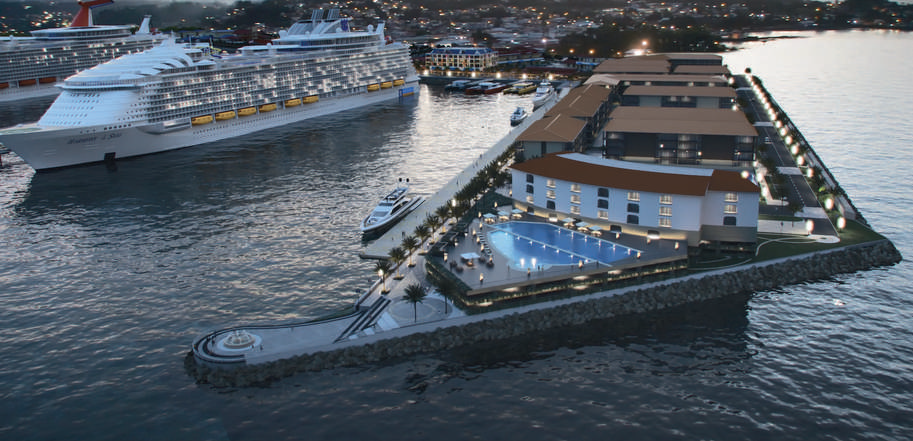
The Costa Rican government has identified Limon as a priority area for tourism development and economic reactivation. The marina and cruise terminal are supported by broader initiatives such as improved transportation links, regional development plans, and investment in public infrastructure.
For anglers, this translates into long-term stability. It means better roads, airport connectivity, reliable services, and a destination that is planning for growth rather than reacting to it.
As the marina comes online, Costa Rica fishing charters operating out of Limon are expected to expand in both number and professionalism. Improved docking facilities, better maintenance options, and increased visibility will attract experienced crews and newer boats tailored to international anglers.
Just as importantly, Limon still offers something that many heavily developed fishing destinations no longer do: room to breathe. Less pressure on the fishery, fewer boats competing for the same grounds, and a sense that you’re fishing a place that hasn’t been overdone.
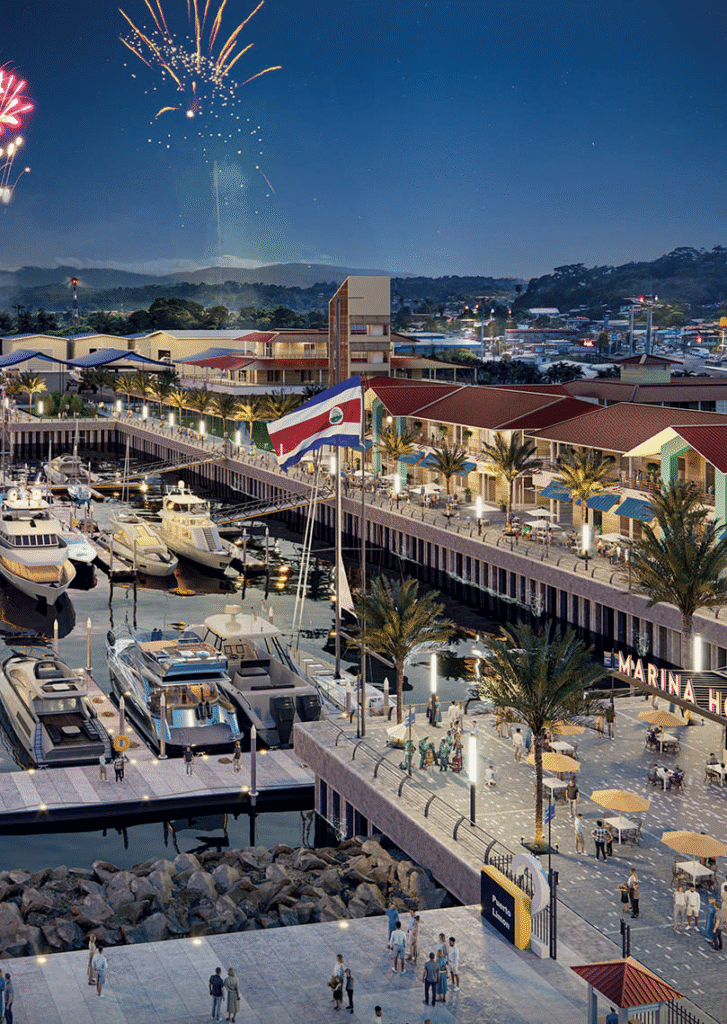
The Limon Port Cruise Terminal and Marina represents more than a construction project. For sportfishing travelers from North America, it signals the opening of a new chapter on Costa Rica’s Caribbean coast—one where world-class fishing meets modern infrastructure without losing its character.
For anglers willing to look beyond the familiar Pacific ports, Limon fishing charters and Limon sportfishing offer something increasingly rare: great fishing, authentic culture, and a destination that’s just beginning to show what it can become.
Credit: japdeva.go.cr
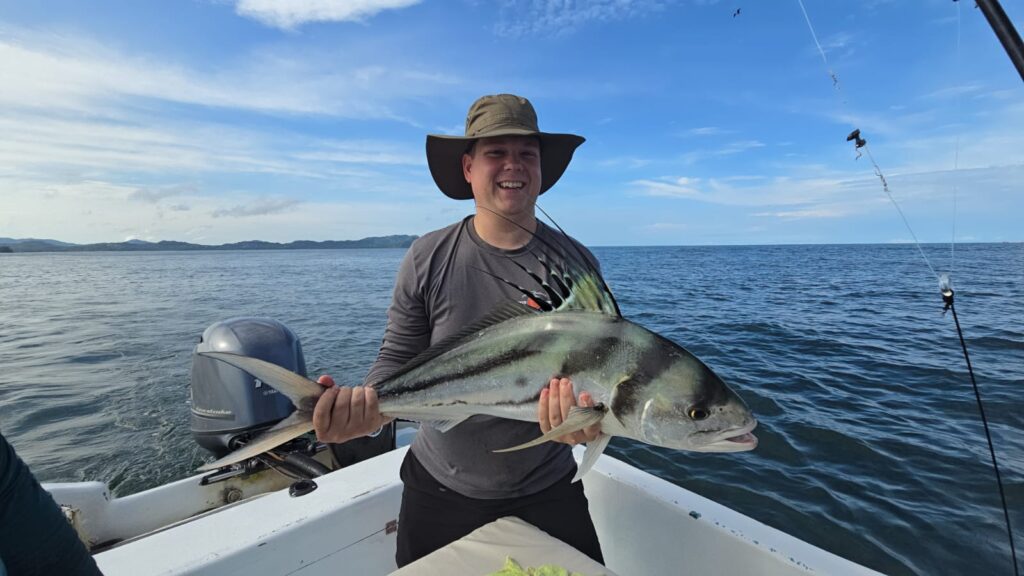
Location: Tamarindo, Costa Rica
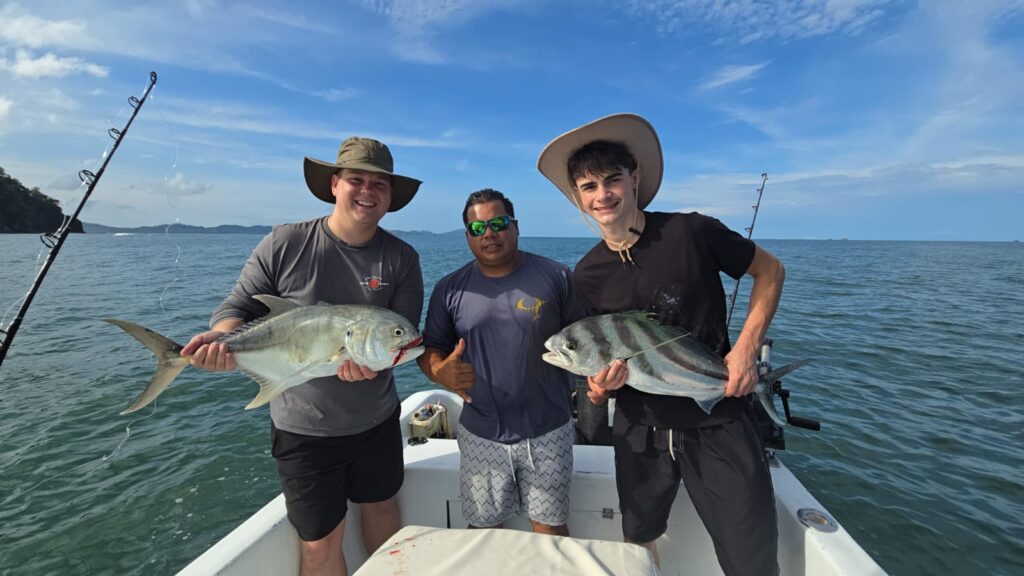
Catch: 1 roosterfish
Boat: Kinny

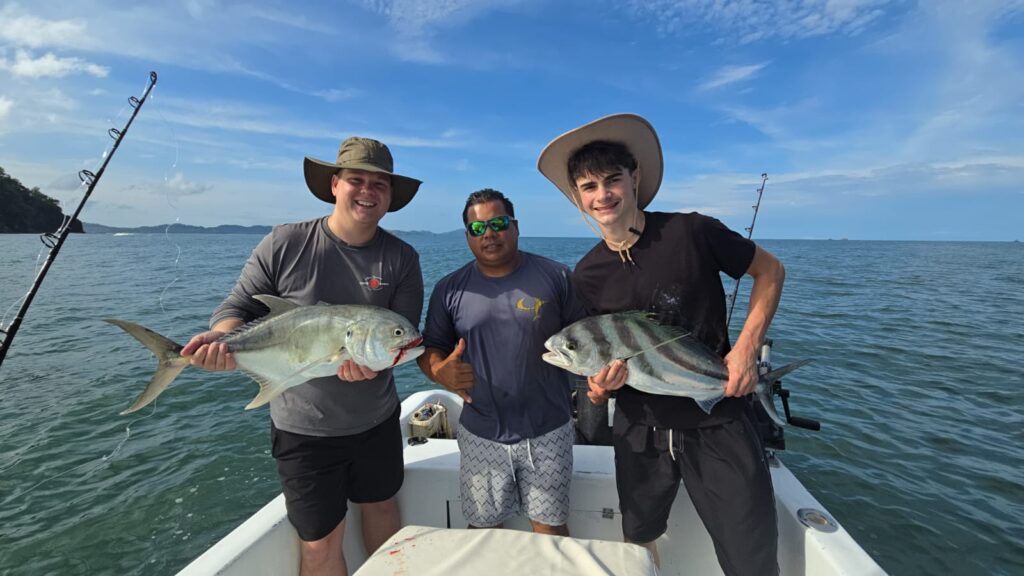
Location: Tamarindo, Costa Rica
Catch: 5 roosterfish, 1 tuna, 1 red snapper
Boat: Kinny



Costa Rica has earned a distinguished reputation as one of the foremost destinations for sport fishing worldwide. Among the most sought-after species in its Pacific waters are the blue marlin, black marlin, and striped marlin. Known collectively for their size, strength, and speed, these billfish present both a challenge and an achievement for anglers seeking world-class experiences.
Marlin are considered the pinnacle of offshore sport fishing. Their powerful runs, acrobatic displays, and elusive nature require skill, patience, and preparation. Costa Rica’s Pacific coast, stretching from the southern waters of Quepos to the northern province of Guanacaste, offers one of the richest habitats for these species. The warm currents and abundant baitfish create an environment where marlin thrive, making it possible to target them throughout the year.
Blue marlin are the most frequently encountered marlin species in Costa Rica. They are highly prized for their size, often weighing several hundred pounds, and their striking electric-blue coloration.
Black marlin are less common but equally revered. Renowned for their immense strength and size, they are among the most formidable game fish in the world. Costa Rica provides consistent opportunities to encounter these giants in deeper offshore waters.
The striped marlin, smaller than the blue and black varieties, is distinguished by its striking vertical stripes and agile behavior. Though less massive, it offers a spirited fight and is valued for its athleticism.
Costa Rica’s prominence as a marlin destination is closely tied to its emphasis on sustainable fishing practices. Catch-and-release regulations are widely observed, ensuring the long-term health of marlin populations. Professional charter operators prioritize conservation by employing circle hooks and other techniques designed to minimize harm to the fish. This commitment allows anglers to pursue marlin while contributing to marine conservation.
A successful marlin expedition in Costa Rica requires careful planning. The country offers modern marinas such as Los Sueños Resort and Marina and Marina Pez Vela, which provide state-of-the-art facilities and access to experienced captains and crews. These resources ensure anglers are well-positioned to pursue marlin under safe and sustainable conditions.
Chasing blue, black, and striped marlin in Costa Rica represents one of the most prestigious pursuits in sport fishing. The country’s Pacific coast offers not only abundant opportunities but also the infrastructure and conservation practices necessary to sustain this remarkable experience. For anglers seeking the ultimate test of skill and endurance, Costa Rica stands as one of the world’s premier destinations for marlin fishing.

Costa Rica’s Pacific coast is recognized internationally as one of the most outstanding sport fishing destinations. Its rich marine ecosystems, favorable year-round climate, and advanced infrastructure combine to create an exceptional environment for both professional and recreational anglers. Three regions in particular—Quepos, Los Suenos, and Guanacaste—stand out as global hotspots for offshore and inshore fishing.
Quepos, situated near Manuel Antonio National Park, has earned a reputation as the billfishing capital of Costa Rica. The presence of Marina Pez Vela, one of the largest and most modern marinas in Central America, has positioned Quepos at the center of international sport fishing activity. The region is particularly well known for its concentration of sailfish and marlin, drawing professional tournaments such as the Offshore World Championship.
Located in Herradura Bay, Los Sueños Resort and Marina is an international benchmark for luxury and world-class angling. Its sophisticated infrastructure, upscale accommodations, and commitment to excellence attract anglers from around the world. Los Sueños also hosts the prestigious Signature Triple Crown Tournament, a highlight in the global sport fishing calendar. The nearby offshore waters provide access to abundant billfish populations, ensuring a highly rewarding experience.
The province of Guanacaste, located in the northern Pacific region, offers a distinctive fishing environment. Its coastline, lined with fishing villages and marinas, provides access to both offshore and inshore opportunities. Anglers can pursue roosterfish, snapper, and mahi-mahi inshore, while offshore excursions frequently yield marlin and sailfish. Combined with the region’s scenic beaches and consistent catch rates, Guanacaste has become a preferred destination for anglers seeking both variety and natural beauty.
Several factors distinguish Costa Rica’s Pacific coast as a world-class sport fishing destination. These include: